
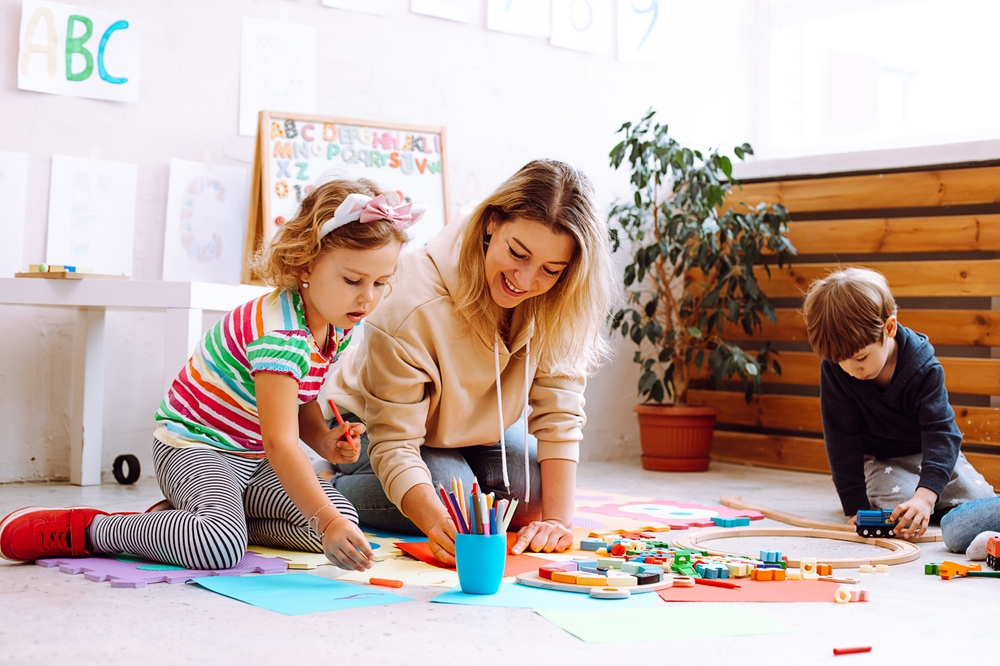

At Solstice Behavioral Health & Consulting, located in Shelton, CT, we proudly serve families throughout New Haven County, including Milford, Shelton, Trumbull, Stratford, Fairfield, Easton, Monroe, Derby, Ansonia, Seymour, Weston, Westport, and Wilton. Growing up with a sibling who has autism can be both rewarding and challenging. Siblings often experience a complex mix of emotions, ranging from pride and affection to frustration and guilt. Understanding these experiences is key to supporting siblings effectively. Many children struggle to balance their own needs with those of a sibling who may require significant attention, support, or intervention. Recognizing and addressing the unique needs of these siblings can foster emotional resilience, healthy family relationships, and positive self-esteem.
Siblings of children with autism may encounter challenges in social, emotional, and academic areas due to the additional responsibilities and dynamics in the family. They may feel overlooked or uncertain about how to relate to their sibling, which can lead to feelings of isolation. On the other hand, siblings often develop remarkable empathy, patience, and problem-solving skills as a result of their experiences. By exploring strategies to support siblings, families can help children process their feelings, maintain a sense of fairness, and cultivate meaningful relationships with both their sibling and the family as a whole.
Emotional Support and Validation
One of the most important aspects of supporting siblings is helping them process and express their emotions. Children may feel a wide range of emotions, including frustration, jealousy, embarrassment, or worry. Validating these feelings is essential. When siblings understand that it is normal to experience a mix of emotions, they are more likely to feel supported and less guilty about their reactions. Parents and caregivers can create open lines of communication, encouraging siblings to share their thoughts and feelings without fear of judgment or reprisal.
In addition to validation, it is important to provide tools to manage emotions effectively. Siblings may benefit from coping strategies such as mindfulness exercises, journaling, or talking with trusted adults. Encouraging regular check-ins about feelings and experiences can also help children feel seen and understood. When emotional support is consistent, siblings are better equipped to navigate the challenges and complexities of family life while maintaining positive relationships with their brother or sister with autism.
Fostering Positive Sibling Relationships
Building a healthy relationship between siblings requires intentional guidance and support. Siblings may need help understanding their brother or sister’s behaviors and developmental differences. By providing age-appropriate explanations about autism, families can foster empathy and reduce misunderstandings. Teaching siblings strategies for positive interactions, such as using clear communication, offering choices, and engaging in shared activities, can strengthen bonds and encourage meaningful connections.
Encouraging shared experiences that both siblings enjoy is another effective way to nurture their relationship. Activities that allow for cooperative play, problem-solving, or creative expression can create opportunities for connection while highlighting each child’s strengths. Over time, these shared experiences contribute to mutual respect, understanding, and enjoyment, reinforcing the value of sibling relationships despite the challenges posed by differences in abilities and needs.
Balancing Attention and Family Dynamics
Siblings of children with autism may sometimes feel overlooked due to the time and energy required to support their brother or sister. Addressing this dynamic is critical for maintaining a sense of fairness and security within the family. Providing one-on-one time with parents or caregivers allows siblings to feel acknowledged and valued. Even brief moments of focused attention can significantly enhance a child’s sense of belonging and well-being.
Families can also implement structured routines that balance responsibilities and leisure for all children. Clear expectations and shared family activities can help siblings feel included and supported while reducing feelings of competition or resentment. Recognizing and celebrating each child’s achievements and milestones ensures that siblings receive positive reinforcement and affirmation for their efforts, promoting healthy family dynamics.
Encouraging Social Support and Peer Connections
Siblings of children with autism can benefit from connections with peers who share similar experiences. Support groups, extracurricular activities, and social opportunities provide outlets for expressing feelings, gaining advice, and building friendships outside the immediate family. These networks help siblings understand that their experiences are not unique and that others have navigated similar challenges successfully.
In addition to peer support, maintaining social connections within the community reinforces a child’s sense of identity and self-worth. Encouraging participation in hobbies, sports, or clubs allows siblings to develop skills and interests independent of their family responsibilities. By balancing family involvement with social engagement, children can cultivate resilience, autonomy, and confidence in both family and community settings.
Practical Strategies for Supporting Siblings
There are several actionable strategies that can help families support siblings of children with autism:
- Schedule regular one-on-one time with each sibling to ensure they feel valued and heard.
- Provide age-appropriate education about autism to increase understanding and empathy.
- Encourage siblings to express their emotions openly through conversation, art, or journaling.
- Facilitate shared activities that both siblings enjoy to strengthen their bond.
- Connect siblings with peer support networks or community programs for guidance and camaraderie.
Implementing these strategies consistently can help siblings develop coping skills, positive relationships, and a healthy sense of self while navigating the unique dynamics of a family that includes a child with autism.
Nurturing Siblings in the Family Context
Supporting siblings of children with autism requires intentionality, empathy, and consistent guidance. By focusing on emotional validation, relationship building, balanced attention, and social support, families can help siblings thrive while fostering meaningful connections within the family. Understanding the unique experiences of these children allows caregivers to provide the tools, opportunities, and reassurance necessary for healthy development. At Solstice Behavioral Health & Consulting in Shelton, CT, families throughout New Haven County can gain insight into strategies for supporting siblings, promoting stronger family bonds, and nurturing emotional resilience.
Resources
Tomeny, T. S., & Solomon, R. (2012). Siblings of Children with Autism: Research and Support Strategies. Journal of Child and Family Studies.
Kelley, M. L., & Whitley, J. (2003). Sibling Relationships in Families with Children with Disabilities. Family Relations.
Meyer, D., & Vadasy, P. F. (2008). Supporting Siblings of Children with Autism Spectrum Disorders. Autism Research and Practice.