
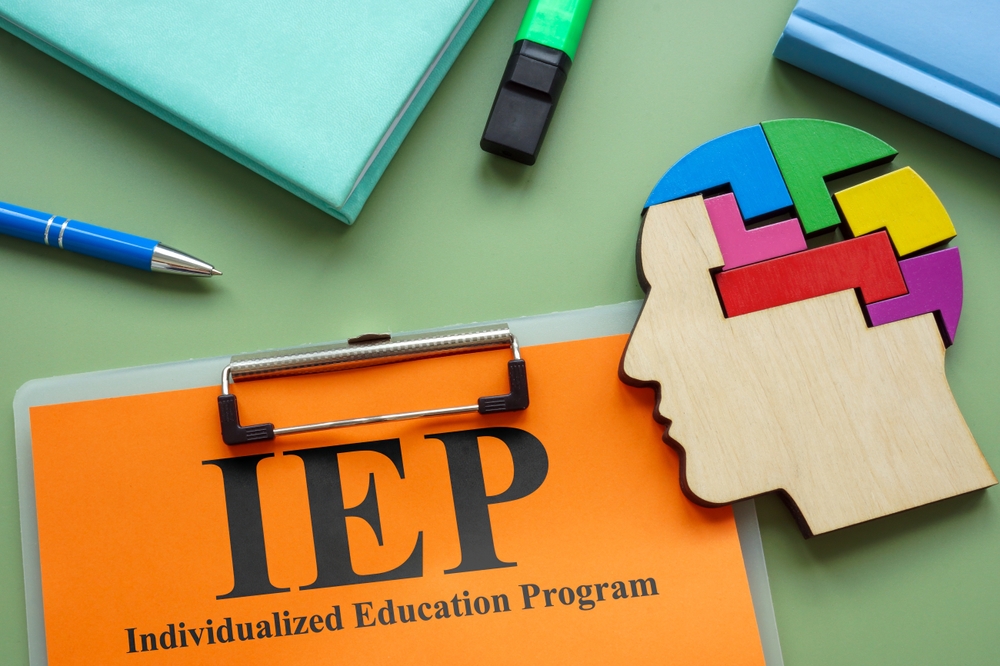

For families of children with autism, the educational journey is often paved with unique needs and individualized goals. One of the most essential tools for ensuring a child’s success in school is the Individualized Education Program, or IEP. IEPs are legally binding documents designed to support students with disabilities—including autism—by tailoring educational plans to their specific strengths and challenges.
At Solstice Behavioral Health & Consulting, we understand how overwhelming navigating the special education process can feel. That’s why we partner with families and schools to support the development and implementation of IEPs that align with a child’s learning style, therapeutic needs, and long-term goals. In this blog, we’ll explore what IEPs are, why they matter, and how they can make a meaningful difference for children with autism.
What Is an IEP?
An Individualized Education Program (IEP) is a written plan developed for students eligible for special education services under the Individuals with Disabilities Education Act (IDEA). The IEP outlines a child’s current academic and functional performance, sets measurable annual goals, and details the supports, services, and accommodations the child will receive.
The IEP is created by a team that includes parents, teachers, school specialists, and when appropriate, the student. The collaborative nature of IEP development ensures that the child’s needs are holistically understood and addressed.
Why IEPs Are Essential for Children with Autism
Children with autism often require additional support to navigate the academic, behavioral, and social demands of school. An IEP ensures that those supports are not only recognized but also integrated into the child’s daily learning experience. Key benefits include:
- Individualized Learning Goals: Every child learns differently, and IEPs allow for the creation of academic goals that reflect a child’s current abilities and developmental trajectory.
- Targeted Services: Children with autism may need speech therapy, occupational therapy, social skills training, or Applied Behavior Analysis (ABA) support—all of which can be built into an IEP.
- Behavioral Support: An IEP can include behavior intervention plans (BIPs) based on Functional Behavior Assessments (FBAs) to address challenges and promote positive behavior in the classroom.
- Legal Protections: IEPs are protected by federal law, ensuring the school is accountable for delivering the services and accommodations outlined in the plan.
How Solstice BHC Supports IEP Development
At Solstice Behavioral Health & Consulting, we collaborate closely with schools and families throughout New Haven County, including Milford, Shelton, Trumbull, Stratford, Fairfield, Easton, Monroe, Derby, Ansonia, Seymour, Weston, Westport, and Wilton.
Our School Consultation services help ensure IEPs are both comprehensive and actionable. We offer:
- Student Assessments: Identifying academic and behavioral strengths and areas for support.
- IEP Planning Support: Helping families and educators set appropriate goals and accommodations.
- Professional Development for Educators: Training school staff in evidence-based strategies like ABA Therapy.
- Behavior Intervention Plan Development: Creating clear, effective strategies to address challenging behaviors.
- Ongoing Collaboration: Attending IEP meetings and maintaining communication with school teams to ensure continuity.
By integrating therapeutic goals with academic plans, we help ensure a cohesive approach that supports children both in school and beyond.
Incorporating ABA Therapy into the IEP
Applied Behavior Analysis (ABA) is one of the most widely recommended therapies for children with autism. At Solstice, we work to ensure that ABA therapy is incorporated into IEPs when appropriate. This can include:
- Support for communication and language development
- Strategies to reduce maladaptive behaviors
- Assistance with social skills acquisition
- Goal tracking and data collection methods
- Coordination between our therapists and classroom teachers
We also offer ABA therapy, center-based services, and parent training—all of which can reinforce the learning strategies outlined in the IEP.
Celebrating Independence with Support
As we settle into July after celebrating Independence Day, it’s a good time to reflect on what independence means for children with autism. For many families, independence doesn’t just refer to self-care or decision-making—it also means advocating for your child’s needs, ensuring they have access to the right educational supports, and celebrating small steps of growth every day.
At Solstice, we believe that IEPs are more than documents—they are stepping stones to independence, confidence, and success. While the fireworks may have quieted, the spirit of advocacy and empowerment continues all year long.
Parent Tips for IEP Meetings
Being prepared for an IEP meeting can help you advocate effectively for your child. Here are a few tips to guide you:
1. Review the Previous IEP: Know what goals were set and where progress was made—or where support may still be needed.
2. Bring Documentation: Include therapy notes, evaluations, and observations from home.
3. Ask Questions: Don’t hesitate to request clarification or suggest changes.
4. Focus on Strengths: Highlight what your child does well as much as what they need support with.
5. Stay Collaborative: Remember that you and the school team are partners working toward a shared goal—your child’s success.
Let Solstice Help You Navigate the IEP Process
In addition to school consultations, Solstice Behavioral Health & Consulting provides a wide range of services that align with IEP goals, including:
Our team of Master’s and Doctoral-level clinicians has over 20 years of experience working with children with autism and their families. Whether you’re new to the IEP process or seeking additional support to enhance your child’s educational journey, Solstice is here to help.
Conclusion
Understanding the importance of IEPs empowers parents to become confident advocates for their children. By combining personalized educational planning with therapeutic expertise, IEPs help children with autism access the supports they need to thrive in school and in life.
If you have questions about how to align your child’s IEP with ABA therapy or need support navigating the special education system, contact Solstice Behavioral Health & Consulting today. We’re located in Shelton, CT, and proudly serve families across New Haven County. Call us at (203) 900-4720 to learn how we can support your child’s path to success.