
Children with autism spectrum disorder (ASD) often experience differences in communication, emotional regulation, and social interaction. These differences may affect how they initiate conversations, interpret nonverbal cues, share interests, or respond to peers in group settings. While every child with autism has unique strengths and needs, many benefit from structured opportunities to practice social engagement in a supportive environment. At Solstice Behavioral Health & Consulting in Shelton, CT, families throughout New Haven County frequently seek guidance on how to help their children build meaningful peer relationships and social confidence.
Social skills are not simply about making friends; they involve understanding perspective-taking, problem-solving during conflicts, recognizing emotions, and navigating social expectations across home, school, and community environments. Without direct instruction and guided practice, children with autism may struggle to generalize these skills independently. Social skills groups provide a structured, evidence-based approach to help bridge that gap through guided learning and real-world practice.
What Are Social Skills Groups?
A Structured and Supportive Learning Environment
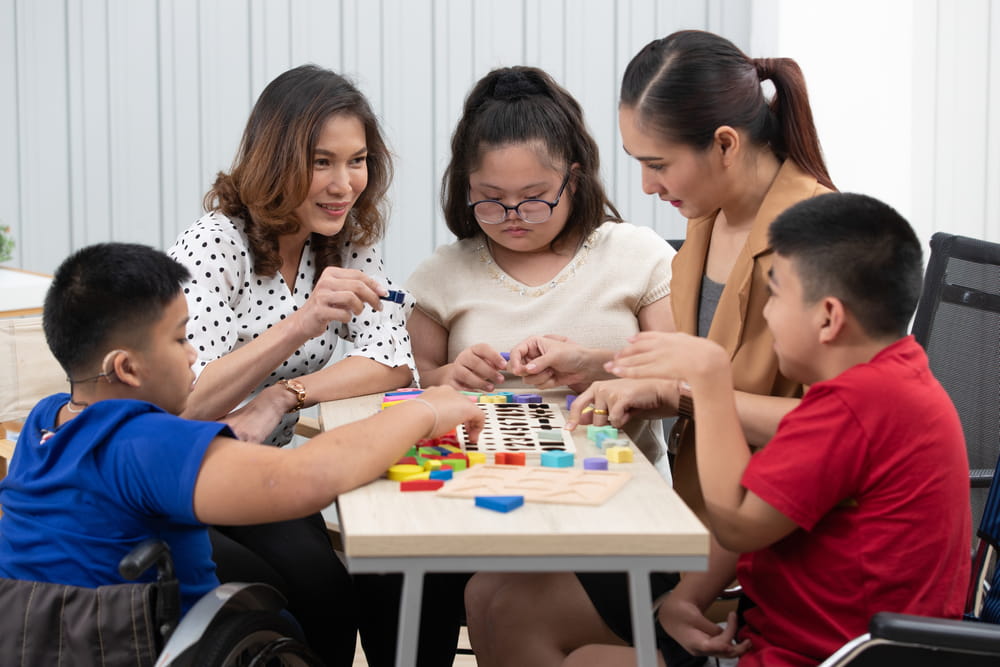
Social skills groups are small, therapist-led sessions designed to teach and reinforce interpersonal skills in a safe and predictable setting. Unlike unstructured peer interaction, these groups follow a clear framework that includes modeling, role-playing, feedback, and opportunities for repetition. Children learn not only what to do in social situations, but why certain responses are effective.
These groups often target skills such as initiating conversations, maintaining reciprocal dialogue, recognizing body language, understanding tone of voice, managing frustration, and handling peer disagreements. Because instruction occurs alongside other children, participants can practice skills in real time with guided support. This type of experiential learning is especially helpful for children who benefit from visual supports, structured routines, and direct feedback.
Key Benefits of Social Skills Group Participation
Building Confidence and Peer Connection
One of the most significant benefits of social skills groups is increased confidence. When children experience positive peer interactions in a structured setting, they begin to develop a sense of competence and belonging. Practicing skills in a predictable environment reduces anxiety and allows children to gradually take social risks, such as joining a group activity or initiating a conversation.
Additional benefits often include:
- Improved conversational turn-taking and listening skills
- Greater emotional awareness and self-regulation
- Increased flexibility during changes or unexpected situations
- Enhanced ability to read social cues and facial expressions
- Stronger peer relationships both inside and outside the group
Over time, these improvements can extend into classroom settings, extracurricular activities, and family interactions. With consistent reinforcement, children may begin to generalize these skills across different environments, increasing independence and reducing social isolation.
The Importance of Early Assessment and Ongoing Support
Early identification of social communication differences allows families to pursue appropriate supports as soon as possible. Comprehensive assessments, such as those described in Autism Diagnostic Evaluations, can help clarify a child’s strengths and areas for growth. From there, individualized plans may incorporate group-based interventions, center-based services, or school collaboration to ensure continuity across environments.
Parental involvement also plays a critical role. Parent Training programs help caregivers reinforce strategies at home, model social problem-solving, and create opportunities for practice in everyday routines. When families, educators, and clinicians collaborate, children are more likely to maintain and expand their social progress over time.
Extending Social Growth Beyond the Group Setting
Community and Real-World Application
While structured group sessions provide the foundation, meaningful progress often occurs when skills are practiced in natural environments. Opportunities for community-based engagement, recreational activities, and peer interaction further strengthen learning. School Consultation services may also help align strategies across academic settings, ensuring that children receive consistent support throughout the day.
For some children, therapeutic programs that integrate experiential learning, movement, or nature-based activities can deepen engagement and motivation. The key is providing varied, supportive environments where social skills can be practiced authentically and reinforced consistently.
At Solstice Behavioral Health & Consulting in Shelton, CT, families across New Haven County continue to explore options that promote social growth, communication development, and long-term independence. Social skills groups represent one meaningful step toward helping children with autism build confidence, connection, and the tools needed to navigate their social world with greater ease.
Resources
American Psychiatric Association. (2013). Diagnostic and Statistical Manual of Mental Disorders (5th ed.). American Psychiatric Publishing.
Bellini, S., Peters, J. K., Benner, L., & Hopf, A. (2007). A Meta-Analysis of School-Based Social Skills Interventions for Children with Autism Spectrum Disorders. Remedial and Special Education.
White, S. W., Koenig, K., & Scahill, L. (2007). Social Skills Development in Children with Autism Spectrum Disorders: A Review of the Intervention Research. Journal of Autism and Developmental Disorders.