
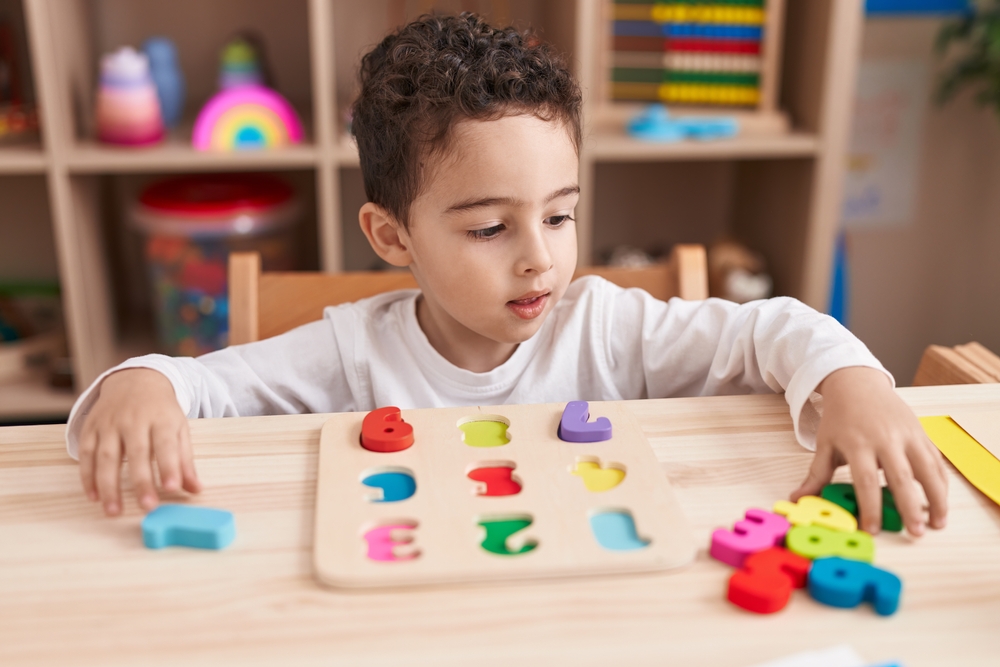

For many families of children with autism, finding the right therapy approach is essential for supporting long-term developmental progress. Applied Behavior Analysis (ABA) therapy remains one of the most effective and widely researched treatments for autism, and within ABA, there are several specialized techniques designed to improve communication, behavior, and social development. One of these powerful approaches is Pivotal Response Training (PRT), a child-centered, play-based intervention that focuses on building motivation and meaningful engagement.
At Solstice Behavioral Health & Consulting, we integrate evidence-based methods like PRT into individualized ABA programs for children across New Haven County, including Milford, Shelton, Trumbull, Stratford, Fairfield, Easton, Monroe, Derby, Ansonia, Seymour, Weston, Westport, and Wilton. Understanding what PRT is and how it works can help parents make informed decisions about their child’s therapy plan and support learning at home.
What Is Pivotal Response Training (PRT)?
Pivotal Response Training (PRT) is a naturalistic form of ABA therapy that focuses on teaching skills in play-based, interactive settings. Rather than teaching one skill at a time in structured drills, PRT targets “pivotal” developmental areas, key skills that lead to widespread improvements across multiple domains.
The four main pivotal areas include:
- Motivation
- Responsiveness to multiple cues
- Self-initiation
- Self-management
By strengthening these foundational areas, children often experience meaningful gains in communication, behavior regulation, social skills, and learning readiness. PRT is flexible, child-led, and designed to work within everyday routines and play activities, making it ideal for home, school, and clinic settings.
How Does PRT Work?
PRT is grounded in the principles of ABA but takes place in a natural, engaging environment. Sessions typically involve the child choosing activities, toys, or play routines they enjoy. The therapist then embeds teaching opportunities into these activities so learning feels fun and meaningful, not forced.
Here are the core components of how PRT is implemented:
1. Following the Child’s Lead
Instead of choosing the activity for the child, therapists allow the child to select what interests them. This increases motivation and participation.
2. Using Natural Reinforcers
In PRT, rewards are directly connected to the child’s actions. For example, if a child attempts to say “ball,” the reward is getting to play with the ball, not unrelated praise or tokens. This strengthens communication and motivation.
3. Encouraging Attempts
PRT emphasizes rewarding attempts, not just perfect responses. This builds confidence and increases the likelihood that a child will try again.
4. Embedding Learning Into Play
Teaching is integrated into play activities rather than isolated tasks. This helps skills generalize more easily to home, school, and community settings.
5. Targeting Motivation First
By supporting motivation, therapists help children become more engaged, more communicative, and more comfortable taking initiative.
Why PRT Is Effective for Children with Autism
The strengths of PRT lie in its child-led, flexible structure. Many children with autism respond well to PRT because it reduces pressure, increases engagement, and uses natural rewards to drive learning.
Key benefits include:
- Improved communication skills, especially spontaneous language
- Increased social initiations, like asking for help or requesting items
- Generalization of skills across different environments
- Enhanced play skills and enjoyment during interactions
- Reduced frustration during learning routines
- Better engagement with caregivers and peers
Because PRT focuses on foundational, “pivotal” behaviors, even small improvements often create broader developmental progress.
How Solstice Behavioral Health & Consulting Uses PRT
At Solstice, PRT is often incorporated into our center-based ABA therapy and parent training programs. Our Master’s and Doctoral-level clinicians integrate PRT with other ABA methodologies, including Natural Environment Teaching (NET), Incidental Teaching, Discrete Trial Training (DTT), Functional Communication Training (FCT), and Social Skills Training, to create individualized treatment plans.
Our goals when using PRT include:
- Strengthening spontaneous communication
- Increasing motivation during learning activities
- Enhancing social engagement
- Supporting flexible thinking
- Building independence in daily routines
PRT is particularly effective for young children, but it can benefit clients of all ages who need support with communication, social skills, or self-regulation.
How Parents Can Use PRT at Home
Because PRT is naturalistic and play-based, it can easily be adapted into family routines. Through Parent Training at Solstice, caregivers learn how to:
- Follow the child’s lead during play
- Encourage spontaneous communication
- Provide natural, meaningful reinforcement
- Model appropriate language
- Set up daily routines that encourage interaction
- Shape attempts into successful responses
Simple activities like playing with bubbles, rolling a ball, or working on puzzles can become powerful opportunities for building communication and motivation.
Here are examples of PRT strategies families can use day-to-day:
- Offer choices (“Do you want cars or blocks?”).
- Pause during play so the child initiates a request.
- Use favorite activities as learning opportunities.
- Reward attempts immediately with the desired item.
With consistency and support from Solstice’s team, families can help their children build skills more quickly and naturally.
Is PRT Right for Your Child?
PRT may be particularly helpful if your child:
- Needs support developing spontaneous speech
- Struggles with engagement or motivation
- Has difficulty responding to multiple cues
- Benefits from play-based learning
- Needs help with social initiation
- Becomes anxious with highly structured tasks
Because every child is different, the best way to determine if PRT is appropriate is through a comprehensive evaluation and treatment planning process with our clinical team.
Conclusion
Pivotal Response Training (PRT) is a powerful, evidence-based ABA technique that helps children with autism build foundational skills that support communication, social development, and meaningful engagement. Its naturalistic, child-led approach makes learning enjoyable while promoting real-world skill development.
At Solstice Behavioral Health & Consulting, located in Shelton, CT, we proudly serve families across New Haven County, including Milford, Shelton, Trumbull, Stratford, Fairfield, Easton, Monroe, Derby, Ansonia, Seymour, Weston, Westport, and Wilton. Through ABA therapy, parent training, diagnostic evaluations, social skills programs, and Solstice Academy, we help children build the confidence and independence they need to thrive.To learn more about PRT or to schedule an appointment, call (203) 900-4720.