
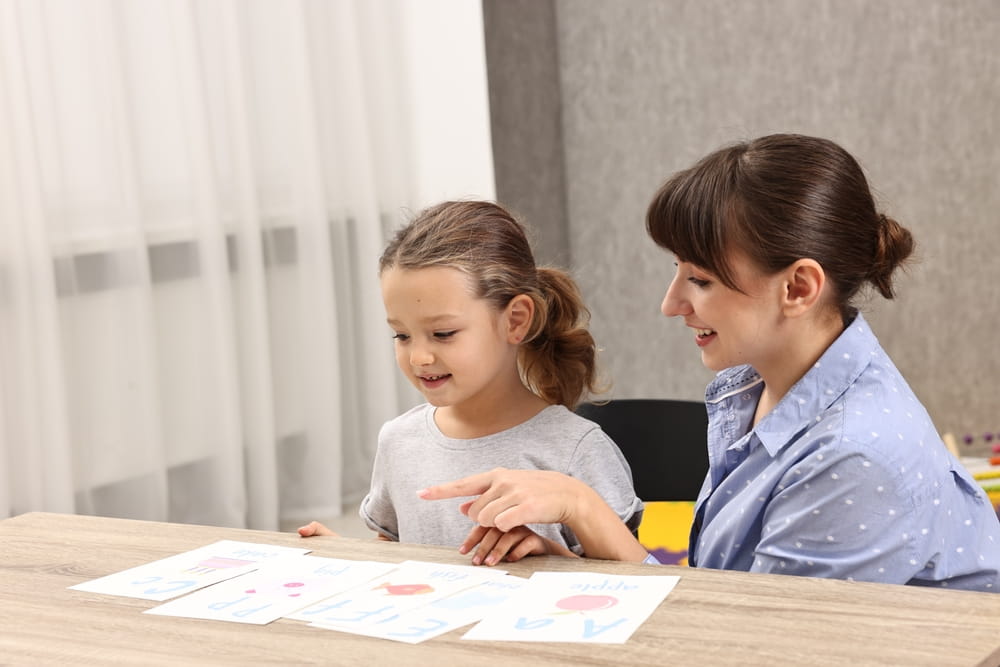

Children with developmental, behavioral, or social challenges often benefit from learning environments that recognize their individual strengths while supporting areas that need additional attention. At Solstice Behavioral Health & Consulting in Shelton, CT, families throughout New Haven County, including Milford, Trumbull, Fairfield, Monroe, Westport, and surrounding communities, frequently seek educational programs that focus on both academic progress and personal development. For many children, success in school is closely connected to confidence, communication, emotional regulation, and independence.
Educational growth involves much more than completing assignments or achieving academic milestones. Children learn best when they feel supported, understood, and encouraged to participate in meaningful ways. Programs such as Solstice Academy are designed to create structured learning opportunities that help students build routines, develop positive behaviors, and strengthen the skills needed for both school and daily life. By focusing on the whole child, educational environments can help students become more engaged learners while also improving social and practical abilities.
Children with autism spectrum disorder, ADHD, anxiety, sensory differences, or communication challenges may experience difficulty navigating traditional classroom expectations. A supportive educational setting can reduce unnecessary stressors while providing individualized strategies that encourage participation and growth. When children are given tools that align with their learning style, they often demonstrate stronger emotional resilience and increased motivation.
Understanding the Importance of Life Skills Development
Life skills are the practical abilities children use to function independently and interact successfully with others. These skills often develop gradually over time, but some children may require additional guidance and repetition to strengthen them. Educational programs that incorporate life skills instruction alongside academics can help students feel more prepared for everyday situations.
Life skills development may include support in areas such as:
- Communication and conversation skills
- Following routines and schedules
- Emotional regulation
- Problem-solving and decision-making
- Personal organization
- Social interaction and teamwork
- Self-advocacy
- Adaptive daily living skills
For many students, these skills directly affect classroom performance. A child who struggles with transitions, communication, or emotional regulation may find it difficult to focus on academic tasks. Educational settings that incorporate structured behavioral and social support can help students better manage these challenges while promoting independence over time.
Programs such as Social Skills Group Therapy may also complement educational development by helping children practice peer interaction, conversation skills, cooperation, and emotional awareness. Social confidence can significantly influence classroom participation and overall student well-being.
Supporting Academic Growth Through Individualized Approaches
Every child learns differently, which is why individualized educational support is often beneficial for students with developmental or behavioral needs. Flexible teaching strategies may help students process information more effectively while reducing frustration and discouragement. Educational programs that emphasize individualized instruction can help children progress at a pace that matches their abilities and learning style.
Some children benefit from visual supports, predictable routines, or hands-on learning opportunities. Others may need additional support with attention, sensory regulation, or communication. Identifying these needs early through services such as Autism Diagnostic Evaluations can help families and educators better understand how to support long-term academic success.
Educational growth is not always linear. Children may experience periods of rapid progress alongside times when additional support is needed. A supportive learning environment recognizes these fluctuations and focuses on consistent encouragement rather than unrealistic expectations. Over time, this approach can help students develop stronger problem-solving abilities, improved self-esteem, and greater academic engagement.
Collaboration between educators, therapists, and caregivers can also play an important role in helping students succeed. Services like School Consultation and Parent Training may help families and educational teams create consistent strategies that support both learning and behavioral development across different settings.
Encouraging Independence and Real-World Readiness
Educational programs that incorporate life skills instruction often aim to prepare students for greater independence as they grow older. Independence may look different for every child, but many students benefit from learning practical strategies they can apply in school, social settings, and everyday routines.
For younger children, independence may involve learning how to follow directions, manage transitions, or communicate needs appropriately. Older students may focus on organizational skills, self-management, social relationships, and decision-making. These abilities can support future success in educational, vocational, and community settings.
Experiential learning opportunities can also play an important role in development. Programs such as Barns of Solstice may provide opportunities for children to engage in structured activities that encourage responsibility, emotional regulation, and confidence-building in a supportive environment. Hands-on learning experiences can help students strengthen communication, patience, and adaptability while participating in meaningful activities.
Educational and life skills growth often work together. As children become more confident in their ability to manage challenges, communicate effectively, and participate socially, they may also feel more comfortable engaging in academic learning. A balanced approach that supports both areas can help students build a stronger foundation for long-term success.
Helping Families Navigate the Educational Journey
Families often play a central role in supporting a child’s educational and developmental progress. Understanding how learning differences affect daily life can help caregivers advocate for appropriate support and identify strategies that encourage growth both at school and at home. Educational programs that recognize the importance of collaboration may help create greater consistency for students across environments.
At Solstice Behavioral Health & Consulting, families throughout Shelton, Milford, Stratford, Fairfield, and surrounding New Haven County communities continue seeking resources that support educational progress, emotional development, and practical life skills. Educational settings that focus on individualized learning, social development, and independence can help children build confidence while preparing for future challenges and opportunities.
Resources
Centers for Disease Control and Prevention. (2024). Autism Spectrum Disorder (ASD). Centers for Disease Control and Prevention.
American Academy of Pediatrics. (2020). Identifying Infants and Young Children With Developmental Disorders in the Medical Home. Pediatrics.
National Research Council. (2001). Educating Children with Autism. National Academy Press.