
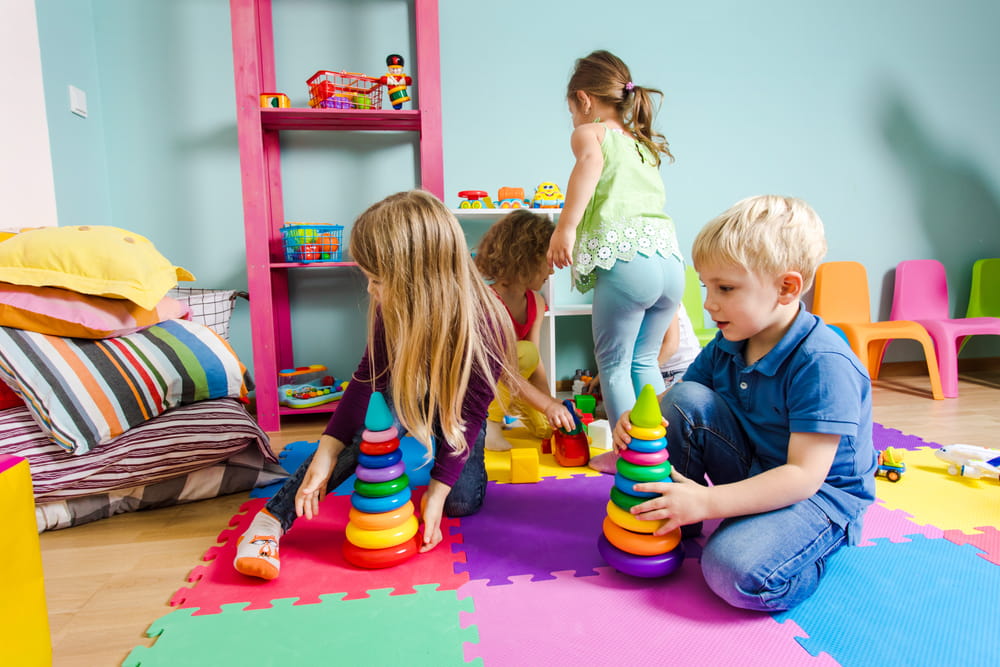

Children learn many important life skills through interaction with other children. From sharing and communication to emotional awareness and problem-solving, peer relationships help shape how children understand the world around them. For children with autism spectrum disorder and other developmental differences, social interaction may sometimes feel more challenging, but it remains an important part of overall development. At Solstice Behavioral Health & Consulting in Shelton, CT, educational discussions about autism support often emphasize the value of structured peer interaction in helping children build confidence and communication skills throughout New Haven County and surrounding communities.
Many children with autism experience differences in communication, social understanding, sensory processing, or emotional regulation that can make peer interactions more difficult. Some children may prefer solitary activities, struggle with conversation skills, or have difficulty interpreting social cues such as tone of voice, facial expressions, or body language. Others may want to interact socially but feel uncertain about how to begin or maintain interactions with peers.
Therapy programs that include opportunities for peer engagement can help children practice these skills in supportive and structured ways. Peer interaction provides opportunities for modeling, observation, communication practice, and emotional learning that may not fully develop during one-on-one instruction alone. Educational programs such as Social Skills Group Therapy often create environments where children can safely practice social interaction while receiving guidance and encouragement.
Peer Interaction Helps Children Practice Communication Skills
Communication is one of the primary areas where peer interaction can support development. While children may learn language or conversational strategies during individual therapy sessions, interacting with peers allows them to practice those skills in real-time social situations.
Children often learn through observation and imitation. Watching peers ask questions, respond during conversations, take turns, or participate in group activities can help children with autism better understand social expectations. Peer settings may also encourage spontaneous communication that differs from structured instructional activities.
For example, during a group activity, children may practice greeting others, asking to join a game, sharing materials, or expressing preferences. These small social moments help build functional communication skills that can carry over into school, recreational programs, and community settings. Structured environments such as Center-based Services may provide opportunities for children to engage socially while still receiving individualized support when needed.
Social Interaction Encourages Emotional Growth
Peer relationships can also support emotional development. Through interaction with other children, individuals begin learning how to recognize emotions, manage frustration, handle disappointment, and celebrate successes together. These experiences contribute to emotional awareness and self-regulation over time.
Children with autism may sometimes struggle with interpreting emotional cues or understanding how their actions affect others. Structured peer interaction can help children gradually build these skills in manageable ways. Guided social experiences often allow therapists or educators to support children through challenges while reinforcing positive behaviors and communication strategies.
Group-based activities may also help children build confidence and reduce feelings of isolation. Positive social experiences can increase motivation to participate in future interactions and strengthen a child’s sense of belonging. Programs such as Solstice Academy often emphasize social learning opportunities that support both academic and emotional development.
Learning Through Play Builds Real-World Skills
Play is one of the most natural ways children develop social and communication abilities. Through play, children learn cooperation, flexibility, creativity, and problem-solving. For children with developmental differences, guided peer play can help strengthen skills that may not emerge naturally without support.
During interactive play activities, children practice taking turns, following group rules, adapting to changes, and responding to peers appropriately. These experiences help prepare children for real-world situations they may encounter at school, extracurricular activities, or within the community.
Peer interaction during play may also help children develop greater flexibility. Some children with autism prefer routines or repetitive activities, and group interaction introduces opportunities to practice adapting to unexpected situations or different perspectives. Services such as School Consultation may also support strategies that encourage social participation within educational settings.
Structured Support Makes Peer Interaction More Successful
It is important to understand that peer interaction in autism therapy programs is often carefully structured and supported. Simply placing children together without guidance may not automatically lead to successful social experiences. Many therapy programs use planned activities, visual supports, prompts, and reinforcement strategies to help children navigate social situations more comfortably.
Supportive environments can help reduce anxiety while allowing children to build social confidence gradually. Therapists and educators may help children learn how to initiate conversations, respond to peers, manage frustration, or repair misunderstandings during interactions. Over time, these guided experiences can become more natural and independent.
Children participating in broader developmental support services may also benefit from programs such as Parent Training, where caregivers learn strategies that encourage positive peer interaction outside structured therapy settings.
Social Connections Can Support Long-Term Development
Peer interaction does more than improve immediate social skills. Positive social experiences can influence long-term confidence, independence, emotional well-being, and quality of life. Learning how to communicate, cooperate, and build relationships helps children participate more comfortably in school, recreational activities, and community settings as they grow older.
For many children with autism, supportive peer experiences also help reinforce the idea that social interaction can be enjoyable and rewarding rather than stressful or overwhelming. Structured autism therapy programs that incorporate peer learning opportunities can help children gradually develop the skills needed to form meaningful connections over time.
At Solstice Behavioral Health & Consulting in Shelton, CT, educational discussions surrounding autism support continue helping families and professionals better understand the value of social development within therapy programs throughout New Haven County and nearby communities. Thoughtful peer interaction opportunities can play an important role in helping children strengthen communication, emotional understanding, and confidence in everyday life.
Resources
Kasari, C., Locke, J., Gulsrud, A., & Rotheram-Fuller, E. (2011). Social Networks and Friendships at School: Comparing Children With and Without Autism. Journal of Autism and Developmental Disorders.
Partington, J. W., & Mueller, M. M. (2012). The Role of Social Skills Training in Autism Intervention Programs. Behavior Analysis in Practice.
White, S. W., Keonig, K., & Scahill, L. (2007). Social Skills Development in Children with Autism Spectrum Disorders. Child and Adolescent Psychiatric Clinics of North America.