
Supporting Emotional Awareness in Children With Autism

Understanding Emotional Awareness in Autism Emotional awareness is the ability to notice, identify, understand, and communicate feelings. These skills play an important role in everyday life because they can help children recognize what they are experiencing, express their needs, respond to challenges, and understand the emotions of people around them. For children with autism, emotional […]
How Social Skills Therapy Encourages Positive Peer Interaction

Building Social Connections Through Guided Practice Developing friendships and interacting with peers can involve many complex skills, from recognizing social cues to taking turns in conversation. For children with autism, some of these skills may require additional instruction and opportunities for practice. Social skills therapy provides a structured environment where children can explore communication, cooperation, […]
How Structured Learning Environments Support Autism Development

Every child learns differently, and children with autism often benefit from environments that provide consistency, predictability, and individualized support. Structured learning environments help children understand expectations, develop essential skills, and participate in activities with greater confidence. These settings can also reduce uncertainty while encouraging independence and meaningful social interactions. At Solstice Behavioral Health & Consulting […]
Why Peer Interaction Matters in Autism Therapy Programs

Children learn many important life skills through interaction with other children. From sharing and communication to emotional awareness and problem-solving, peer relationships help shape how children understand the world around them. For children with autism spectrum disorder and other developmental differences, social interaction may sometimes feel more challenging, but it remains an important part of […]
Discrete Trial Training: A Core Teaching Method in Applied Behavior Analysis (ABA)
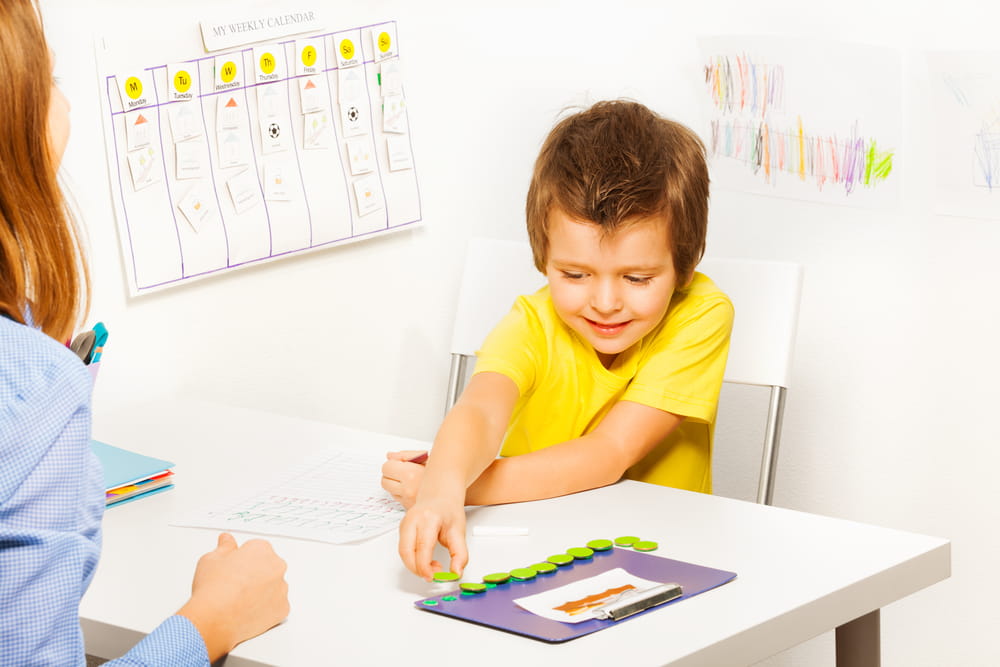
Discrete Trial Training (DTT) is one of the most widely recognized teaching methods used within Applied Behavior Analysis (ABA). It is a structured instructional approach designed to help children learn new skills by breaking larger tasks into smaller, manageable steps. DTT is commonly used to support children with autism spectrum disorder and other developmental differences […]
What to Look for in an Autism-Focused Workplace

Professionals entering the field of autism support often focus heavily on certifications, job titles, or schedules when searching for employment. While those details are important, the workplace environment itself can have a major impact on both employee growth and the quality of care children receive. An autism-focused workplace should provide structure, collaboration, communication, and ongoing […]
What New RBTs Should Know Before Working with Kids with Special Needs

Starting a career as a Registered Behavior Technician (RBT) can be both rewarding and challenging. Many new RBTs enter the field because they want to make a positive impact on children and families, but it is important to understand that the work involves much more than simply following a treatment plan. RBTs often become part […]
What a Typical Day Looks Like in a Center-Based ABA Program

For many families exploring behavioral therapy options, understanding what happens during a typical ABA session can help reduce uncertainty and make the process feel more approachable. Applied Behavior Analysis (ABA) therapy is often highly individualized, but center-based programs generally provide structured environments where children can work on communication, social, behavioral, and daily living skills through […]
Natural Environment Teaching in ABA Therapy Explained

Children often learn most effectively when skills are taught in meaningful, everyday situations rather than through repetition alone. Whether learning how to communicate, follow directions, interact socially, or complete daily routines, many children benefit from practicing skills in environments that feel natural and familiar. In behavioral therapy, this approach is commonly known as Natural Environment […]
How Transition Assessments Support Educational Planning for Teens

As teenagers move closer to adulthood, educational planning often begins to focus on long-term goals that extend beyond academics alone. Families, educators, and healthcare professionals may start considering how a student will transition into higher education, vocational training, employment, or independent living. For some teens, especially those with developmental, behavioral, social, or learning differences, this […]