
The Connection Between Autism and Gut Health: What We Know

In recent years, researchers and clinicians have been exploring the fascinating link between autism and gut health. Many parents of children with autism notice gastrointestinal (GI) issues such as constipation, diarrhea, bloating, or abdominal discomfort—often accompanying behavioral or emotional changes. While research is still uncovering exactly how the gut and brain are connected, one thing […]
How to Prepare Your Child for an Autism Evaluation

When parents first notice developmental differences or communication challenges in their child, one of the most important next steps is seeking an autism evaluation. Early identification of autism spectrum disorder (ASD) opens the door to crucial interventions, such as Applied Behavior Analysis (ABA) therapy, speech therapy, and parent training programs. At Solstice Behavioral Health & […]
Sleep Problems in Children with Autism: Causes and Solutions

Sleep plays a vital role in every child’s health and development. For children with autism, however, sleep problems are especially common. Research shows that as many as 50–80% of children on the autism spectrum experience difficulties with sleep, ranging from trouble falling asleep to frequent night wakings and irregular sleep cycles. These challenges can affect […]
Why Some Children with Autism Struggle with Eye Contact

Eye contact is often considered a natural and expected part of social interaction. From infancy, many children instinctively look into the eyes of caregivers to communicate needs and build connections. However, for children with autism, eye contact can be difficult, or even uncomfortable. Parents may notice that their child avoids looking directly at others, quickly […]
Understanding Echolalia in Children with Autism

For many children with autism, communication develops in unique ways. One common characteristic is echolalia, the repetition of words, phrases, or sounds that a child has heard before. While echolalia can sometimes be misunderstood as meaningless imitation, it often serves important purposes in communication, learning, and emotional regulation. At Solstice Behavioral Health & Consulting, we […]
The Importance of Parent Involvement in ABA Therapy

When it comes to supporting children with autism, Applied Behavior Analysis (ABA) therapy is one of the most effective, evidence-based approaches available. But while ABA therapists play an essential role in teaching and reinforcing skills, parents and caregivers are equally important partners in the process. Parent involvement doesn’t just enhance therapy outcomes—it ensures that children […]
How Social Stories Help Children with Autism Learn Life Skills

For many children with autism, navigating daily life can feel confusing and overwhelming. Whether it’s understanding routines, adjusting to new environments, or practicing social interactions, children on the spectrum often benefit from clear, structured guidance. One effective tool for teaching these skills is the use of social stories. At Solstice Behavioral Health & Consulting, we […]
How Visual Supports Can Improve Communication for Kids with Autism
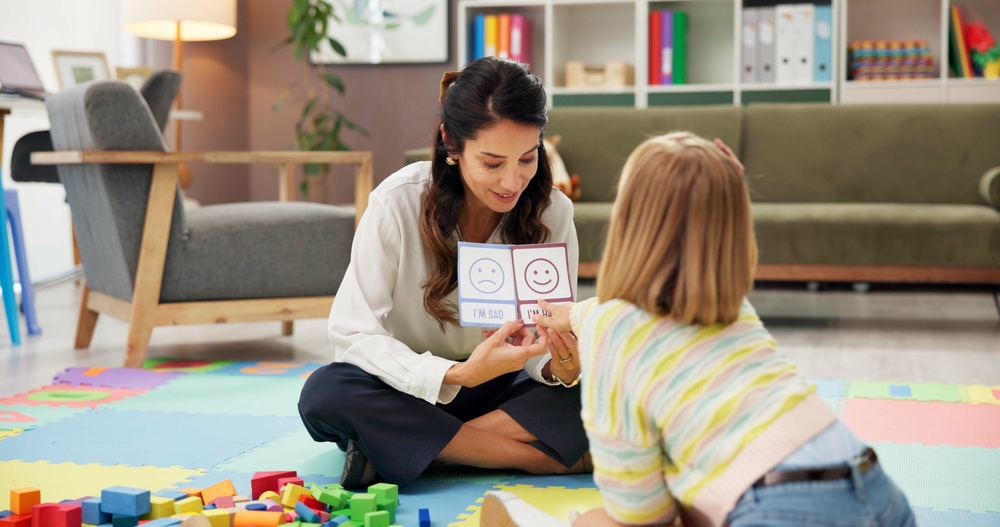
Communication is one of the most important skills children develop, yet it can be especially challenging for children with autism. Many children on the spectrum struggle with speech, language, or social communication, which can create frustration and limit opportunities for connection. Fortunately, research-based strategies such as visual supports have been shown to make a big […]
8 Tips for Managing Challenging Behaviors at Home for Children with Autism

Parenting a child with autism comes with incredible joys—and unique challenges. One area many families want guidance on is managing challenging behaviors at home. Whether it’s tantrums, difficulty following directions, or struggles with transitions, these behaviors can be stressful for both children and caregivers. The good news is that with the right strategies, structure, and […]
6 Benefits of Structured Play for Children with Autism

Play is more than just fun—it’s an essential part of childhood development. Through play, children learn communication, social interaction, problem-solving, and emotional regulation. For children with autism, however, play can present unique challenges. Unstructured environments may feel overwhelming, and some children may have difficulty engaging in imaginative or cooperative play without guidance. This is where […]