
Can Autism Be Misdiagnosed? What Parents Should Know

At Solstice Behavioral Health & Consulting, located in Shelton, CT, we proudly serve families throughout New Haven County, including Milford, Shelton, Trumbull, Stratford, Fairfield, Easton, Monroe, Derby, Ansonia, Seymour, Weston, Westport, and Wilton. For parents, receiving an autism diagnosis for their child can be both a relief and a source of uncertainty. While early identification […]
How to Support a Sibling of a Child with Autism

At Solstice Behavioral Health & Consulting, located in Shelton, CT, we proudly serve families throughout New Haven County, including Milford, Shelton, Trumbull, Stratford, Fairfield, Easton, Monroe, Derby, Ansonia, Seymour, Weston, Westport, and Wilton. Growing up with a sibling who has autism can be both rewarding and challenging. Siblings often experience a complex mix of emotions, […]
Why Does My Child with Autism Struggle with Transitions?

At Solstice Behavioral Health & Consulting, located in Shelton, CT, we proudly serve families throughout New Haven County, including Milford, Shelton, Trumbull, Stratford, Fairfield, Easton, Monroe, Derby, Ansonia, Seymour, Weston, Westport, and Wilton. Transitions are an essential part of daily life, from moving between activities at home and school to navigating changes in routines or […]
Understanding Reinforcement Strategies in ABA Therapy

At Solstice Behavioral Health & Consulting, located in Shelton, CT, we proudly serve families throughout New Haven County, including Milford, Shelton, Trumbull, Stratford, Fairfield, Easton, Monroe, Derby, Ansonia, Seymour, Weston, Westport, and Wilton. One of the core principles of Applied Behavior Analysis (ABA) therapy is the use of reinforcement strategies to encourage positive behaviors and […]
Sensory-Friendly Activities to Try at Home with Your Child

Many children with autism benefit from engaging in sensory-friendly activities that help them learn, explore, and feel regulated throughout the day. Sensory play isn’t just fun, it supports communication, self-regulation, motor skills, and independence. It can also create meaningful bonding moments between parents and children, offering opportunities to learn through play in comfortable and familiar […]
Tips for Helping Your Child with Autism Make Friends

Building friendships is an important part of childhood, but for many children with autism, social relationships can feel confusing, unpredictable, or overwhelming. Social situations often require skills, such as communication, shared play, flexibility, and emotional understanding, that may not come naturally. With the right support, however, children with autism can learn how to connect with […]
What Is Pivotal Response Training (PRT) and How Does It Work?
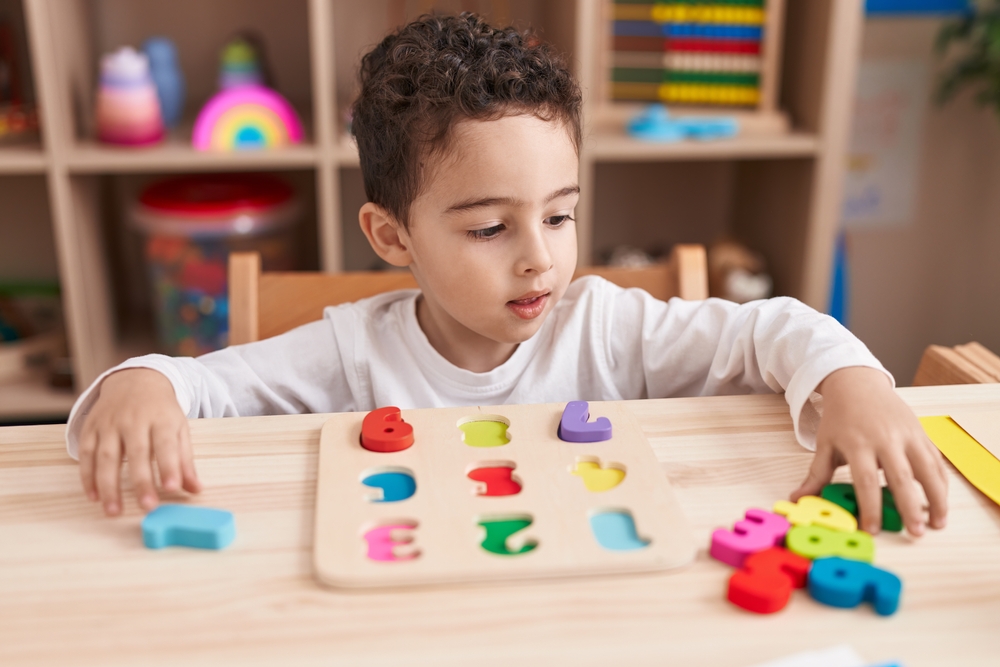
For many families of children with autism, finding the right therapy approach is essential for supporting long-term developmental progress. Applied Behavior Analysis (ABA) therapy remains one of the most effective and widely researched treatments for autism, and within ABA, there are several specialized techniques designed to improve communication, behavior, and social development. One of these […]
How to Choose the Right Autism Therapy for Your Child

Choosing the right therapy for your child with autism can feel overwhelming. With so many available options—each with different approaches, techniques, and benefits—parents often wonder which path will best support their child’s unique needs. Every child with autism is different, and finding the right combination of therapies can make a world of difference in their […]
Teaching Independent Living Skills to Children with Autism

One of the most rewarding aspects of working with children with autism is witnessing their growth toward independence. Every milestone—whether it’s brushing their teeth, getting dressed, or preparing a simple meal—is a step toward confidence and self-reliance. For parents, caregivers, and educators, supporting the development of independent living skills is one of the most meaningful […]
How to Make Doctor and Dentist Visits Easier for Children with Autism

Routine medical and dental visits are important for every child’s health, but for children with autism, these experiences can sometimes be overwhelming or stressful. The new environment, unfamiliar sounds, bright lights, and unexpected interactions can all create anxiety. However, with the right preparation and strategies, parents and caregivers can make these visits more manageable and […]